The Science of Nutrition for Active Men
Modern nutritional science has advanced our understanding of how vitamins and minerals for men influence everything from cellular energy production to muscle recovery. At Dayatahupria, we believe that education is the foundation of wellness. This editorial archive explores the biochemical pathways that natural supplements for men interact with to support a healthy, active lifestyle. By examining the latest findings in men's health support, we provide a deeper look into how specific nutrients like Vitamin D, Magnesium, and various botanical extracts contribute to long-term vitality and physical resilience.
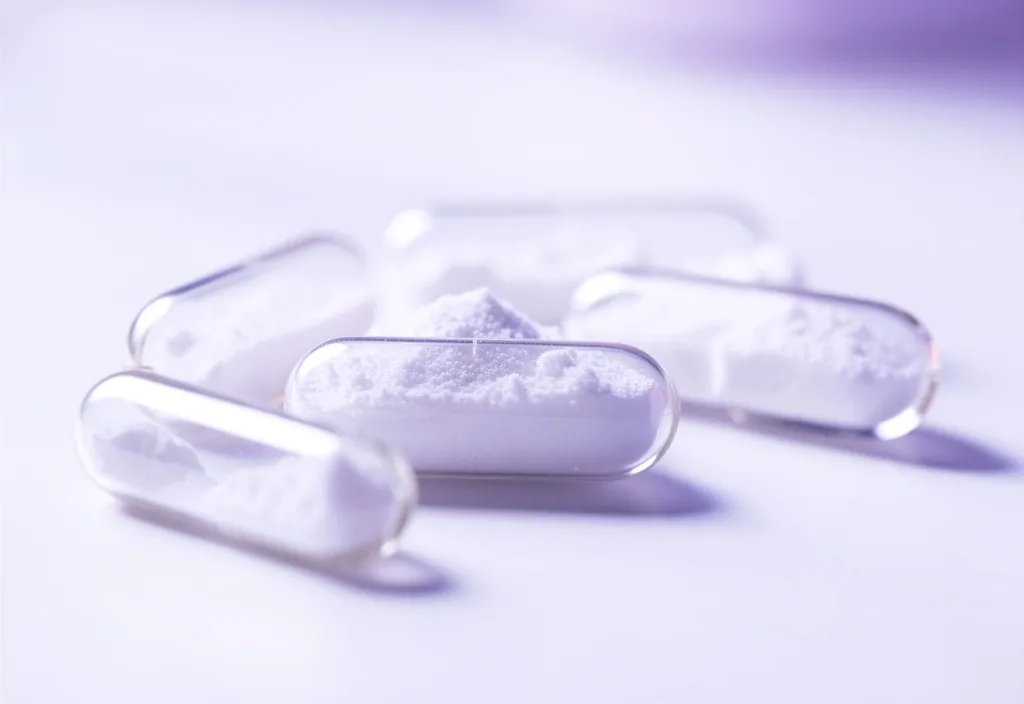
Supports calcium absorption and muscle fiber function in active men.
Cofactor for over 300 enzymatic reactions in energy metabolism.
Supports mitochondrial ATP production and antioxidant recycling.
The Biochemical Role of Micronutrients
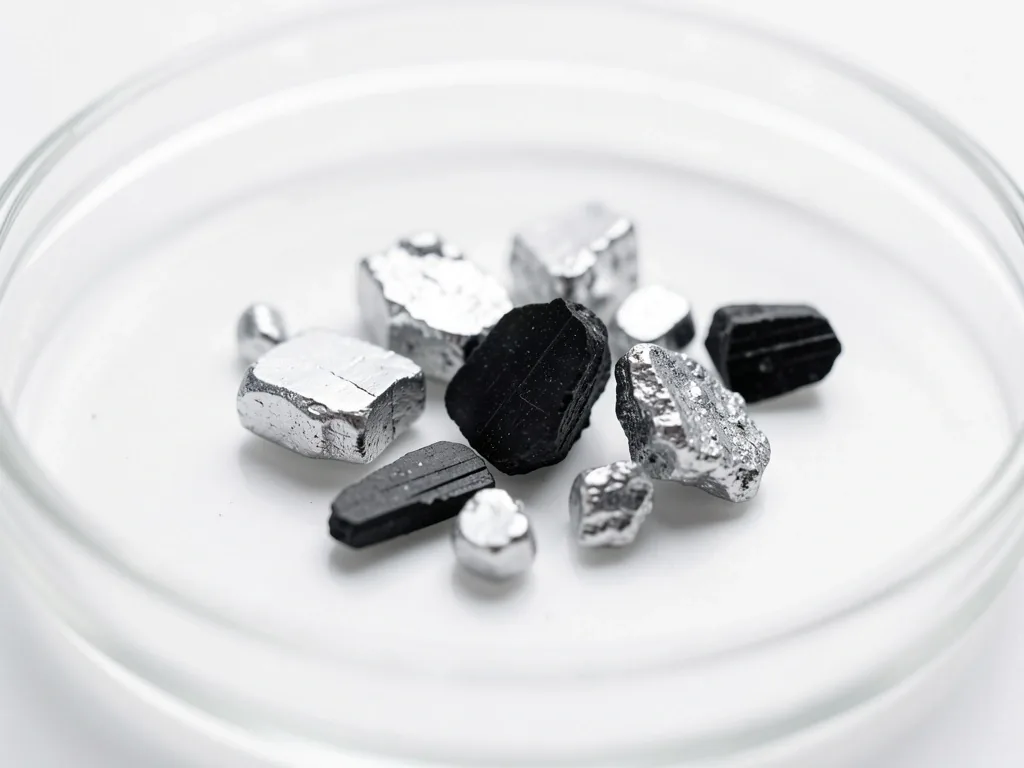
Micronutrients are the unsung heroes of human physiology, acting as essential catalysts for thousands of chemical reactions. For men, certain minerals like Selenium and Zinc are vital for maintaining systemic health and supporting the body's natural defense mechanisms. We explore the molecular structure of these elements and how they are utilized by the body.
This scientific perspective helps demystify why natural supplements for men are recommended for those leading high-performance lives in demanding environments. Zinc, for instance, participates in protein synthesis and cellular repair, while Selenium functions as a critical component in enzymatic pathways that protect cells from oxidative damage. Understanding these roles at the molecular level clarifies why adequate intake matters beyond simply meeting a daily reference value.
Men with physically demanding routines or limited dietary variety may benefit from supplementing with a balanced multivitamin that includes bioavailable forms of Zinc and Selenium, rather than isolated single-mineral products.
Mitochondrial Health and Energy Metabolism
Every movement we make is powered by ATP, the energy currency of our cells. The production of ATP in the mitochondria requires a steady supply of specific vitamins and minerals for men, including the B-vitamin family and Alpha-Lipoic Acid. When these nutrients are deficient, metabolic efficiency drops, leading to physical lethargy.
We examine the science behind energy and endurance supplements, showing how they provide the necessary precursors for efficient cellular respiration and sustained physical output. The B-vitamin complex, in particular, functions as an enzymatic cofactor group that converts carbohydrates, fats, and proteins into usable energy. Thiamine (B1), Riboflavin (B2), Niacin (B3), and Cobalamin (B12) each occupy a distinct step in the metabolic chain.
Alpha-Lipoic Acid plays a dual role: it assists in mitochondrial energy production and simultaneously regenerates other antioxidants like Glutathione and Vitamin C. This makes it a compound of particular interest for men whose daily routines require sustained output across long hours, whether in physical labor, training, or mentally demanding work.
For men evaluating energy and endurance supplements, the key question is whether a product delivers these cofactors in forms the body can absorb and use efficiently. Cheap isolated forms may look complete on a label but fail to integrate into the cellular machinery that depends on them.
Converts glucose into cellular energy through decarboxylation pathways.
Precursor to NAD+, a coenzyme central to mitochondrial electron transport.
Supports red blood cell formation and oxygen delivery to working muscles.
Regenerates antioxidants and supports mitochondrial enzyme function.
Oxidative Stress and the Need for Antioxidants
Physical activity, while beneficial, increases the production of reactive oxygen species (ROS) in the body. If left unchecked, these can lead to oxidative stress, which damages cells and slows recovery. Natural capsules for strength and vitality often include potent antioxidants like Vitamin E or Grape Seed Extract to neutralize these free radicals.
We discuss the importance of maintaining an antioxidant balance through a combination of diet and healthy lifestyle products to ensure that your body can repair itself effectively after strenuous tasks. The body maintains its own enzymatic antioxidant system, primarily through Superoxide Dismutase, Catalase, and Glutathione Peroxidase. Dietary and supplemental antioxidants support this internal network rather than replacing it.
Vitamin E protects lipid membranes from lipid peroxidation, while polyphenolic compounds from Grape Seed Extract provide water-soluble antioxidant coverage in the spaces between cells. Together they cover complementary territory in the body's defense network.
The Impact of Vitamin D on Physical Function

Often called the "sunshine vitamin," Vitamin D is actually a pro-hormone that plays a massive role in men's health support. It is crucial for calcium absorption and has a direct impact on muscle fibers and bone density. Despite Indonesia's tropical climate, many urban men suffer from sub-optimal levels due to indoor work environments.
We analyze the latest research on how Vitamin D supplementation can support physical strength and why it is a foundational component of most men's vitamin supplements. The connection between Vitamin D status and musculoskeletal strength has been documented across multiple population studies, with deficiency linked to reduced muscle power output and slower recovery from exertion.
For men in Makassar and other Indonesian cities who spend their daylight hours in offices, warehouses, or vehicles, the gap between available sunshine and actual skin exposure is wider than most assume. Vitamin D3 (cholecalciferol) is the form most efficiently used by the body, and pairing it with a fa source improves absorption, since it is fat-soluble.
- → Indoor work hours peak during maximum UVB exposure windows.
- → Glass windows block UVB radiation needed for synthesis.
- → Skin pigmentation naturally reduces Vitamin D production rate.
- → Air pollution in dense urban areas filters atmospheric UVB.
Bioavailability and Nutrient Synergy
Nutrition is not just about what you eat, but what you absorb. Certain nutrients work better together, for example, Vitamin C enhances the absorption of iron, and Vitamin D is necessary for calcium utilization. We explore these synergies and how they are leveraged in high-quality natural supplements for men. Understanding these relationships allows you to choose products that are formulated for maximum impact, ensuring that the vitamins and minerals you consume are working in harmony with your body's natural processes.
Ascorbic acid reduces ferric iron to the ferrous form, which is the only form absorbed through intestinal cells.
Take iron-rich supplements or meals with a Vitamin C source for measurably better uptake.
Calcitriol, the active form of Vitamin D, upregulates calcium-binding protein in the intestinal lining.
Vitamin D deficiency can render calcium intake largely ineffective regardless of dose.
K2 activates osteocalcin, which directs calcium into bone tissue rather than soft tissue.
The pairing ensures calcium reaches skeletal structures instead of accumulating in arteries.
B6 assists in transporting magnesium across cell membranes into the intracellular space.
More magnesium reaches target cells, improving neuromuscular and metabolic function.
Long-term high-dose zinc can deplete copper by inducing metallothionein, which binds both minerals.
Balanced formulas include a small amount of copper to maintain the zinc-to-copper ratio.
Plant-Based Compounds and Systemic Health
Beyond standard vitamins, many plants produce secondary metabolites that offer significant benefits for human health. Polyphenols, flavonoids, and alkaloids found in natural capsules for strength and vitality have been shown to support cardiovascular health and inflammatory balance.
We dive into the specific plant compounds commonly found in popular products for men, explaining how they interact with human signaling pathways to promote a state of overall physical readiness and long-term well-being. These compounds operate through mechanisms distinct from those of essential vitamins. Rather than serving as direct enzymatic cofactors, they modulate cellular signaling, influence gene expression related to inflammation, and interact with the body's stress-response pathways.
Polyphenols from sources like Grape Seed Extract and Green Tea interact with the Nrf2 pathway, which regulates the expression of antioxidant proteins. Flavonoids found in many traditional botanicals used across Southeast Asia support vascular endothelial function. This is why whole-plant extracts often deliver measurable effects that isolated synthetic compounds cannot replicate, as the natural matrix contains dozens of synergistic molecules working in concert.

Grape Seed, Green Tea, Curcumin — modulate oxidative balance.
Quercetin, Rutin — support vascular endothelial function.
Natural compounds that interact with cellular signaling cascades.
Recovery Science and Nutritional Support
The period following physical exertion is when the body adapts and grows stronger, but this process requires specific raw materials. Amino acids, minerals, and certain vitamins are consumed rapidly during intense activity and must be replenished. We look at the nutritional requirements for effective recovery and how energy and endurance supplements can assist in this phase.
By supporting the body's repair mechanisms, you can reduce downtime and maintain a more consistent activity schedule. During recovery, the body prioritizes protein resynthesis to repair muscle tissue, glycogen restoration to replenish stored energy, and modulation of the inflammatory response that follows tissue stress. Each of these processes depends on specific nutrients being available at the right time. Magnesium supports muscle relaxation and glycogen synthesis, while Branched-Chain Amino Acids provide the building blocks for protein repair. Antioxidant nutrients consumed in the hours after exertion help manage the controlled inflammation that drives adaptation, without suppressing it entirely.
Glycogen Window
Carbohydrate and amino acid uptake is most efficient. A combined source of fast carbohydrates and protein supports rapid glycogen restoration and initiates muscle protein synthesis.
Repair Phase
Protein resynthesis continues. Magnesium, Zinc, and Vitamin C support tissue repair, immune balance, and the controlled inflammation needed for adaptation.
Adaptation Window
The body consolidates the stress response into structural improvement. Consistent daily intake of foundational vitamins and minerals sustains this process across repeated sessions.
This editorial archive is an educational resource published by Dayatahupria to help readers understand the role of vitamins, minerals, and natural plant compounds in supporting an active lifestyle. The content reflects current nutritional science literature and is intended for general informational purposes.
Supplements discussed here are intended as dietary supplements and are not a replacement for a varied diet. Individual nutritional needs vary based on activity level, age, and personal health circumstances. For guidance specific to your situation, consult a qualified nutrition professional.